
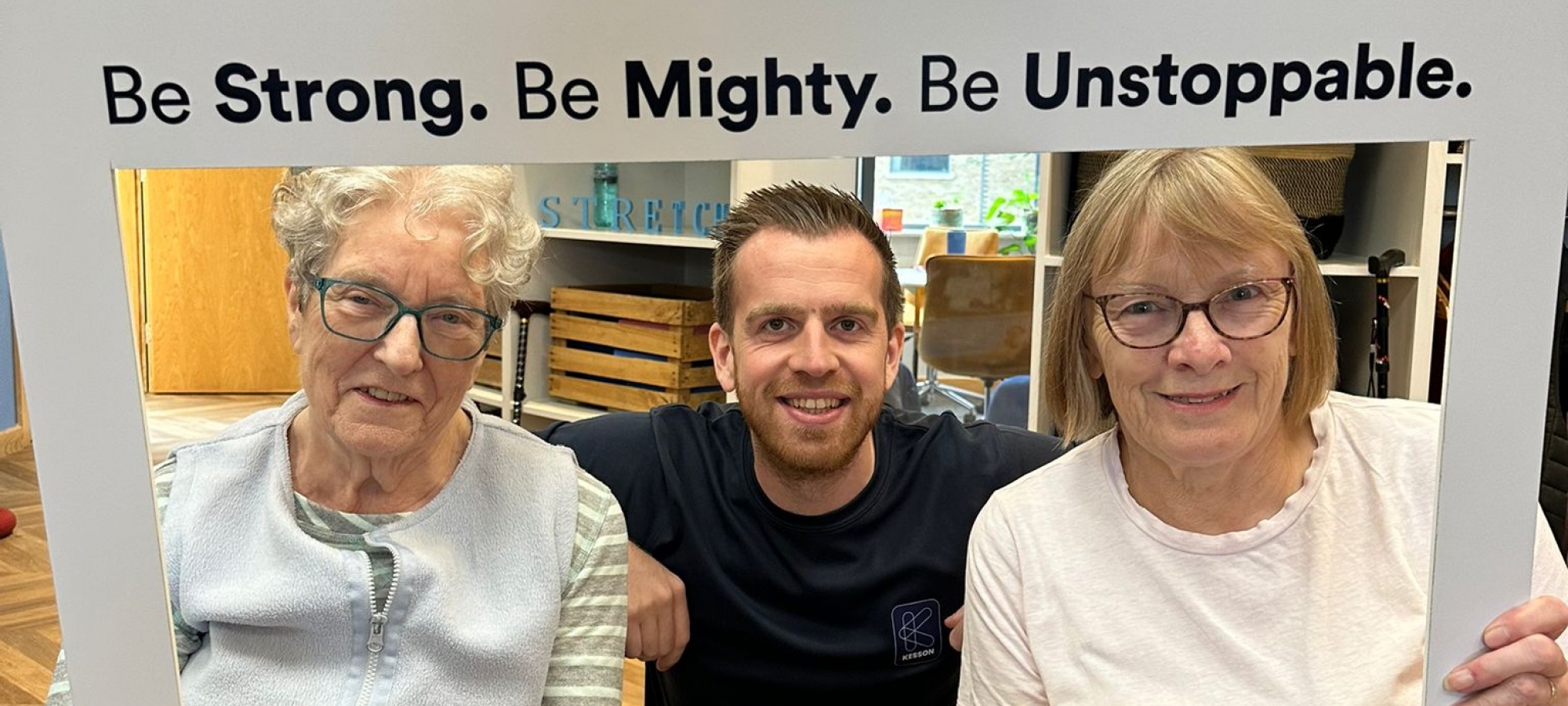
Getting Stronger After Cancer: The Most Important Investment in Your Future. World Cancer Day - 4 February 2026
Arthur’s Story: A Different Way Through Treatment
Arthur always believed exercise was good for you. What he didn’t expect, after being diagnosed with liver cancer, was to discover that exercise could become one of the most effective tools he had during chemotherapy.
Like many people, Arthur assumed treatment meant retreating under the duvet, waiting out the fatigue, nausea, pain, and mental fog. Exercising during chemotherapy felt counter‑intuitive, almost reckless.
Chemotherapy was hard. He experienced deep fatigue, cognitive cloudiness, and severe bone pain. Some days, walking felt impossible. But with a carefully designed, supervised training plan, Arthur found that movement helped when nothing else did. Exercise gave him energy when he felt depleted, clarity when his thinking was foggy, and, most surprisingly, relief from pain.
On his worst days, he simply showed up and told his therapist he might not manage much. The response was always the same: calm, positive, and honest. “Let’s see what we can do.” Often, within minutes, the pain eased and Arthur felt like himself again.
Arthur’s story isn’t about pushing through at all costs. It’s about being supported, challenged safely, and treated as a whole person. And it offers a powerful truth: even during cancer treatment, getting stronger is not only possible, it can change how you live through it.

Why Strength Training After a Cancer Diagnosis Isn’t Optional. It’s Essential
For decades, people diagnosed with cancer were advised to rest, conserve energy, and avoid physical strain. While rest has its place, we now know that prolonged inactivity can quietly accelerate many of the problems people fear most: muscle loss, fatigue, frailty, and loss of independence.
Today, there is strong and growing evidence that strength training, also known as resistance exercise, is a cornerstone of modern cancer care. It supports people during treatment and plays a critical role in long-term recovery.
Strength training is not about becoming a bodybuilder. It is about rebuilding the physical reserves that cancer and its treatments often erode. These reserves help you:
- Tolerate treatments like chemotherapy and radiotherapy more effectively
- Maintain independence with daily activities
- Reduce debilitating fatigue
- Protect bone health
- Improve mood, sleep, and confidence
- Potentially reduce the risk of cancer recurrence and premature death
- Importantly, these benefits apply to women and men well into their 60s, 70s, and beyond. Age is not a barrier. In fact, the older we are, the more valuable strength training becomes.
For many people over 50, strength training after cancer represents something deeper than physical recovery. It is about reclaiming agency at a time when life can feel frighteningly out of control.
Book a call and find out how Kesson can help you Move through your cancer journey
The Reality of Muscle Loss, Survival, and Why Movement Matters
Cancer Treatment and Muscle Loss (Sarcopenia)
Cancer itself, along with treatments such as chemotherapy, hormone therapy, steroids, and prolonged bed rest, accelerates muscle loss. A condition known as sarcopenia. Research shows that people undergoing cancer treatment can lose significant muscle mass in a matter of weeks.
This loss matters. Reduced muscle strength is linked to:
- Increased fatigue
- Higher risk of falls and fractures
- Reduced tolerance to treatment (leading to dose reductions or delays)
- Longer hospital stays
- Loss of independence
- Strength training is one of the few interventions proven to reverse or significantly slow this muscle loss. Even during active treatment.
Physical Activity, Recurrence, and Survival
High-quality research now shows that physical activity after a cancer diagnosis is associated with meaningful reductions in cancer recurrence and mortality. Large studies, including recent landmark trials, have demonstrated that structured exercise programmes can reduce the risk of recurrence and death by approximately 28–44%, particularly in breast, colorectal, and prostate cancers.
Some researchers have gone as far as describing exercise as behaving like a powerful, non-drug therapy. One that influences inflammation, insulin sensitivity, immune function, and tumour biology.
Speak to us about our Therapist lead and designed Personal Training
Coping Better, Living Better
Beyond survival statistics, strength training improves day-to-day life. People who stay physically active report:
- Better energy levels
- Improved mental health
- Greater confidence in their bodies
- A stronger sense of control and hope
For many over 50, this translates directly into staying independent; continuing to cook, walk, travel, play with grandchildren, and live life on their own terms.
.png)
When Physical Activity Feels Impossible - and Why That Feeling Makes Sense
For someone living with cancer, the idea of exercise can feel overwhelming or even frightening. These concerns are valid, and they deserve to be met with empathy. Not pressure.
Cancer-Related Fatigue
Cancer-related fatigue is unlike ordinary tiredness. It does not improve with rest alone and can feel relentless. Research consistently shows that exercise, particularly a combination of strength and aerobic training, is the most effective non-drug treatment available.
Anxiety, Depression, and Fear
A cancer diagnosis can shake your sense of safety. Anxiety, low mood, and sleep problems are common. Regular, appropriately prescribed exercise has been shown to reduce symptoms of depression and anxiety while improving sleep quality and cognitive clarity.
Peripheral Neuropathy
Tingling, numbness, or pain in the hands and feet caused by chemotherapy can affect balance and confidence. Strength and balance training can improve stability, reduce fall risk, and help people trust their bodies again.
Bone Loss (Osteopenia and Osteoporosis)
Hormone therapies and reduced activity weaken bones. Progressive resistance training is one of the most effective ways to stimulate bone density and reduce fracture risk.
Heart Health (Cardiomyopathy)
Some cancer treatments affect the heart muscle. Carefully monitored, moderate-intensity exercise improves cardiovascular fitness and overall resilience.
Lymphoedema, Amputation, and Physical Changes
Strength training, when introduced gradually and supervised, does not worsen lymphoedema and can actually improve limb function. People who have experienced surgery, limb loss, or significant physical changes benefit enormously from tailored movement that restores confidence and capability.
The wrong conclusion is to assume these challenges mean you shouldn’t exercise. The right conclusion is that you need the right kind of exercise, delivered in the right way.
This is the foundation of the Kesson Approach to cancer recovery.
Evidence-Based Safety: Why a Physio-Led Approach Matters
Not all exercise is equal. Especially during cancer treatment and recovery.
The Kesson Approach is grounded in evidence-based oncology rehabilitation and led by physiotherapists who understand cancer pathology, treatment side effects, and complex medical histories.
What Makes This Different From Generic Fitness?
Individualised Assessment: Every client begins with a comprehensive assessment that considers diagnosis, treatment stage, bone health, nerve symptoms, cardiac history, and personal goals.
Bespoke Programming: Exercises are selected and adapted specifically for each person, with clear progression plans.
Progressive Overload: Strength is built gradually. Often starting lighter than expected and increasing safely over time.
Supervision and Support: Early supervision improves confidence, adherence, and safety, especially for those new to strength training.
Supportive Community: Group classes create peer support, shared understanding, and motivation.
Real clients, women and men in their 50s, 60s, 70s, and beyond, regularly progress from fearing movement to lifting weights they never imagined possible. Confidence grows alongside physical strength.
"Very professional, in sorting what exercises are best for my condition and to try and make my life easier" Darren Pout
What This Actually Looks Like in Practice
First Appointment: Clarity and Reassurance
Your first session focuses on understanding you. There is no judgment, no pressure, and no expectation to be fit. You leave with a clear, realistic plan.
Early Weeks: Confidence Before Intensity
The initial phase prioritises technique, safety, and trust in your body. Many people notice improvements in energy and balance within weeks.
Three Months In: Strength You Can Feel
Daily tasks become easier. Getting out of a chair, carrying shopping, climbing stairs. All improve as strength builds.
Long Term: Independence and Community
Over time, strength training becomes part of life. Clients describe not just physical change, but renewed confidence, social connection, and optimism.
Practical concerns - what to wear, how classes work, and how exercises are adapted - are addressed openly so nothing feels intimidating.
"Being an older person I have various weaknesses, the physios have the knowledge, patience and understanding to know what we all need and how best to guide us to improve our strength and mobility. They know when to push us and when to offer gentle exercise." Denice Blades
Why Earlier Is Better (But It’s Never Too Late)
Starting strength training early, sometimes even before surgery (known as prehabilitation) can reduce complications, shorten hospital stays, and speed recovery.
That said, benefits are seen at any stage of the cancer journey. Whether you are newly diagnosed, mid-treatment, or years beyond cancer, it is never too late to get stronger.
Strength gains compound over time. They are far easier to maintain than to rebuild after prolonged inactivity, but starting today is always better than waiting.

Next Steps: Taking the First, Safest Step
If you or someone you love is living with or beyond cancer, strength training can be a powerful part of recovery.
At Kesson, we offer:
- Physiotherapy-led initial consultations
- Discovery calls to explore options safely
- Small-group strength classes tailored for cancer recovery. View our timetable
- One-to-one personal training for complex needs
The first step is simply a conversation. From there, a clear, supportive pathway is created, at your pace.
This World Cancer Day, the message is simple: a cancer diagnosis does not mean inevitable decline. With the right care, support, and movement, getting stronger may be the best investment you ever make.
Frequently Asked Questions
Is it safe to do strength training during cancer treatment?
Yes. For most people, strength training is safe during cancer treatment when it is properly assessed, adapted, and supervised. Exercises are tailored to your diagnosis, treatment phase, bone health, and day-to-day symptoms. Safety comes from individualisation, not avoidance.
Can I lift weights while having chemotherapy?
In many cases, yes. Research shows that people who do appropriate resistance exercise during chemotherapy often tolerate treatment better, with less fatigue and fewer interruptions. Training intensity is adjusted depending on how you feel, blood counts, and side effects.
What if I feel too tired or unwell to exercise?
This is one of the most common concerns. Cancer-related fatigue is real and often severe but rest alone rarely improves it. Gentle, well-chosen movement often reduces fatigue over time. Sessions can be shortened, slowed down, or adapted on low-energy days.
I’ve never exercised before, can I still do this?
Absolutely. Many people begin strength training for the first time after a cancer diagnosis. Programmes start at your current ability level and progress gradually. There is no expectation to be fit, only to be supported.
Will strength training make pain, lymphoedema, or neuropathy worse?
Not when done correctly. Progressive, supervised strength training can reduce pain, improve limb function, support balance, and help manage nerve symptoms. Exercises are modified to protect vulnerable areas while still building strength.
What about weak bones or osteoporosis?
Strength training is one of the most effective ways to support bone health. Loads are introduced carefully and progressed slowly, helping stimulate bone strength while minimising fracture risk.
How often should someone with cancer do strength training?
Most evidence supports strength training two to three times per week, alongside light aerobic activity such as walking. Consistency matters more than intensity.
Is it too late to start if I finished treatment months or years ago?
No. Strength, balance, and confidence can improve at any stage after cancer. While starting earlier can help, meaningful benefits are seen even years after treatment ends.
What’s the biggest benefit people notice first?
Many people notice improved energy, clearer thinking, and greater confidence in daily tasks before they see physical changes. Feeling capable again is often the first - and most meaningful - shift.