
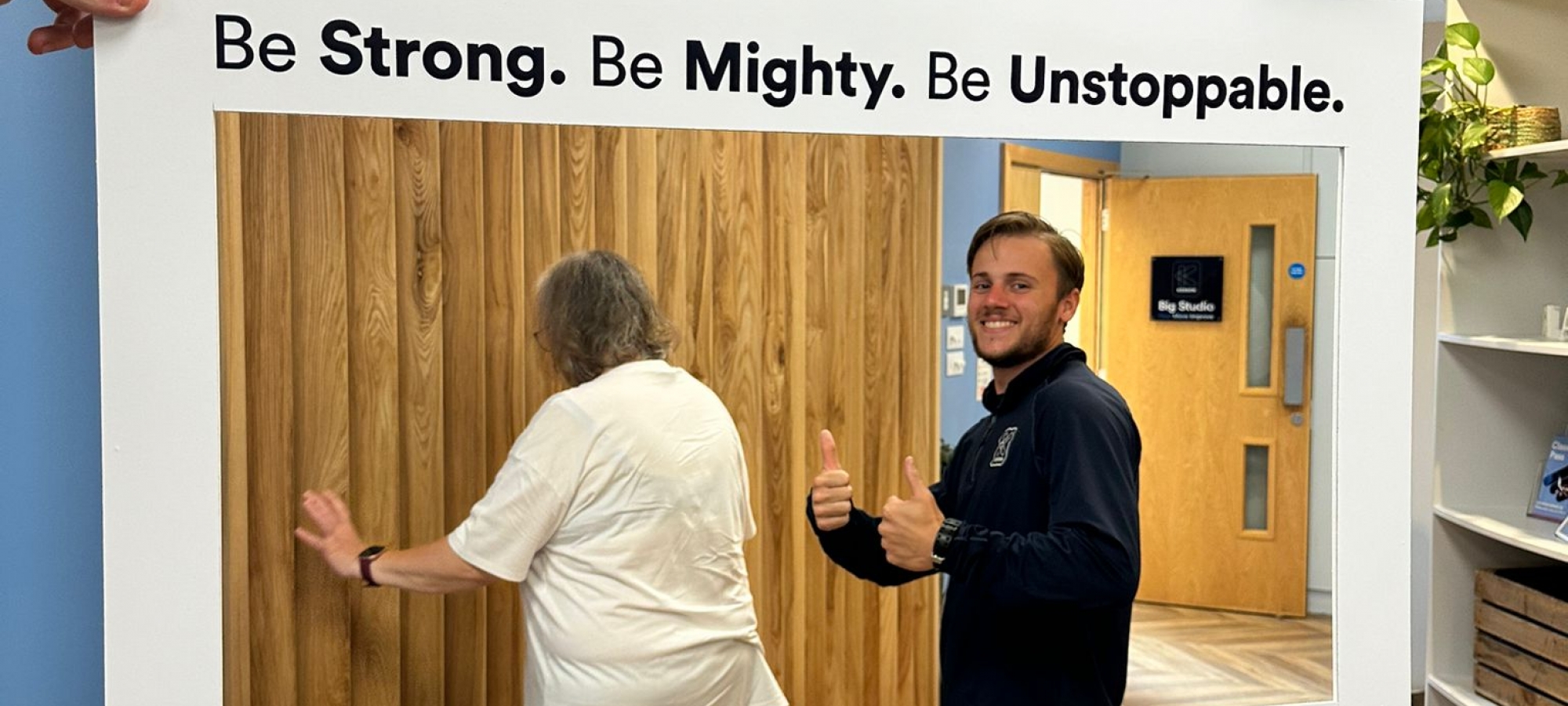
Strength, Balance and Fall Prevention: How to Stay Independent as You Get More Active in Spring
Spring is a season of movement. Longer days, brighter weather, and the lure of gardens, walking trails, and family visits make this the perfect time to get outdoors and active again. For many of us, however, increased activity can also bring new challenges, particularly when it comes to staying steady on your feet and maintaining independence.
Falls aren’t just a worry; they’re one of the leading causes of injury for people over 60, and as we become more active in spring - gardening, walking uneven terrain, or helping grandchildren - hidden weaknesses in strength, balance, and reaction time can quickly become noticeable. But the good news is that with the right approach, you can stay active, confident, and independent without fear.
At Kesson, we see it every spring. People returning to movement after winter notice wobbly ankles, shaky knees, or simply that walking uphill isn’t as easy as it used to be. And what often makes the biggest difference isn’t avoiding activity, it’s building the strength, balance, and proprioception to move safely and confidently.
Why Falls Happen More in Spring
After the winter months, many of us are naturally a little less active. Muscle strength and joint stability may have dipped, and reaction times can slow. As we reintroduce outdoor activity, walking on uneven ground, carrying gardening tools, or stepping on and off pavements, the risk of a misstep rises.
But it’s not just about weakness. Changes in sensory input, like uneven surfaces, bright sunlight, or distractions when visiting family, all add to the challenge. Even small lapses in balance can lead to falls, which is why preventative strategies are so important.
Denice Blades, a regular attendee of our Move + Balance classes, recently shared:
"Being an older person I have various weaknesses, the physios have the knowledge, patience and understanding to know what we all need and how best to guide us to improve our strength and mobility. They know when to push us and when to offer gentle exercise. Thanks to all!"
This captures what we see in practice: people thrive when exercise is tailored, progressive, and guided by professionals who understand their bodies and their fears.
Strength vs Balance: Why One Alone Isn’t Enough
You might think, “If I just work on balance, I’ll be fine.” Or, “If I just do strength exercises, my risk of falling will go down.” The truth is that both work hand in hand.
Strength provides the foundation, muscles support joints, maintain posture, and allow you to recover if you stumble. Balance and proprioception, on the other hand, train the nervous system to respond quickly to shifts in position, uneven surfaces, or unexpected movements.
At Kesson, our Move + Balance classes are designed to integrate both. John Vining, another class member, commented:
"Staff helpful and supportive and more to the point I think I am progressing."
By combining strength exercises with dynamic balance challenges, we help people regain confidence in movement and prevent falls before they happen. Exercises might include gentle squats, controlled step-ups, or reaction drills that mimic real-life situations like reaching for a garden tool or stepping onto a curb.
Building Confidence Outdoors
Spring brings outdoor joys, but also outdoor challenges. Walking holidays, gardening, or stepping on and off uneven surfaces can expose weaknesses you might not have noticed indoors.
Janet Harwood shared:
"I had balancing issues but with Kessons help I can go for walks with confidence. Brilliant."
It’s exactly this kind of confidence we aim to build. Small, consistent practice in our classes translates directly into real-life situations: getting out of a garden, walking on gravel paths, or even navigating stairs at a family visit.
The approach is gentle, progressive, and tailored. Our physiotherapists guide participants individually, knowing when to challenge them and when to support them. Gill Clayton, a long-term client, says:
"Without exception, the physiotherapists have been kind and helpful and encouraging… it has always been a pleasure to come to the classes."
Exercises That Protect Confidence
Exercises that improve balance and strength don’t need to be complicated or intimidating. Here’s a glimpse of what we do in Move + Balance classes:
Strength exercises: Squats, lunges, heel raises. Building muscle to support joints.
Balance drills: Standing on one leg, walking along narrow lines, or side steps. Training the nervous system to respond to shifts.
Proprioception and reaction work: Catching a ball, adjusting to unexpected movements. Preparing the body for real-life challenges.
Richard Drew highlights the importance of this individualised approach:
"Very happy with individualized care even in group class."
The goal is simple: help people move safely in daily life, regain confidence outdoors, and maintain independence.
A Client’s Journey: Regaining Independence
Take the story of one of our clients, who came to Kesson after struggling with balance and mobility. Like many, she felt nervous about outdoor activity. After attending our Move + Balance class, she not only regained physical stability but also renewed confidence in her independence. She now walks, gardens, and travels with assurance, knowing she has the strength and skills to recover from a stumble if needed.
This is what spring should feel like: freedom to enjoy activity without fear, supported by knowledge and practice.
The Emotional Benefits of Balance Training
Beyond physical gains, improving strength and balance positively impacts mental wellbeing. Confidence, resilience, and independence are all strengthened when you feel secure in your movements. Many clients share that participating in classes helps them feel more optimistic, connected, and capable in their daily lives.
Janet Brian said simply:
"Very friendly and knowledgeable staff."
It’s often the combination of expert guidance and a supportive environment that makes the difference between tentative movement and confident independence.
Taking the First Step
If you’ve noticed small slips, wobbles, or just want to feel more confident outdoors, the first step is simple. Join one of our Move + Balance classes or schedule an initial assessment.
We’ll guide you through exercises tailored to your abilities, monitor progress, and make adjustments as you grow stronger. Our goal is to move you from “be careful” to “be strong,” helping you reclaim freedom and independence for spring activities and beyond.
Patricia Cox sums it up:
"Have limited mobility & need to do more exercise so booking for a set of movement & strength is ideal whilst I await surgery. Well organised & friendly."
Spring is the perfect time to invest in your strength, balance, and confidence. Every session you attend is a step towards safer, more independent movement, whether that’s gardening, walking with friends, or keeping up with the family at Easter.
Summary
Falls are preventable. Strength and balance are trainable. Confidence and independence are reclaimable.
With a tailored approach and consistent practice, you can enjoy spring with more freedom and less worry. At Kesson, we guide you every step of the way, ensuring exercises are safe, effective, and aligned with your goals.
Don’t wait for a stumble to realise the importance of strength and balance, start today.
Book your Move + Balance class or Physiotherapy assessment
Like to meet us for a chat first? Come along to our coffee mornings, last Thursday of the month 10-12pm and meet the team.