
How to Stay Active Without Flare-Ups This Summer
Summer is here and with it we start having the same conversations.
Someone has spent the weekend gardening and their back has seized up. Someone has been away for a city break and their knee is suddenly painful. Someone has had the grandchildren to stay, spent more time on their feet than usual, and now everything feels sore and stiff.
The frustrating part is that these people aren't doing anything wrong. Mostly they are doing exactly what we want them to do - getting outside, moving more, being active and enjoying life. The problem is unlikely the activity itself, it's the sudden increase in it.
After months of relatively predictable routines, summer has a habit of arriving all at once. The weather improves, the garden needs attention, holidays are booked, family visits increase and before you know it, your body is doing far more than it was a few weeks ago.
It is understandable the question we regularly hear is:
"Have I done some damage?"
9 times out of 10 the answer is no. Your body is simply reminding you that it needs time to adapt.
.jpg)
The Summer Activity Trap
One of the biggest misconceptions about aches and pains is that they only happen when people are unfit. Not what we see. More often, they happen when people do significantly more than their body is used to doing.
Take gardening - it is seen as a gentle pastime. In reality, it's often several hours of lifting, twisting, kneeling, reaching and bending. It's a workout, just one that doesn't happen in a gym.
The same is true of holidays. A person who normally walks 4,000 steps a day can easily do 15,000 exploring a new city without thinking twice about it.
Your body doesn't know whether you're exercising or enjoying yourself. It simply responds to load, and if that load increases suddenly, it will usually let you know.
A Flare-Up Doesn't Mean You've Gone Backwards
This is important to understand. Pain is often interpreted as a sign that something has gone wrong. It can be, but often, a flare-up is simply your body's way of saying:
"That was more than I'm ready for right now."
This is very different from injury and you don't need to stop moving when this happens. You need to adjust, recover and gradually build capacity.
The challenge we see is people responding in extremes. They either push through regardless or stop completely. Neither approach tends to work particularly well and the sweet spot sits somewhere in the middle - Keep moving and be sensible about it.
Think Capacity, Not Caution
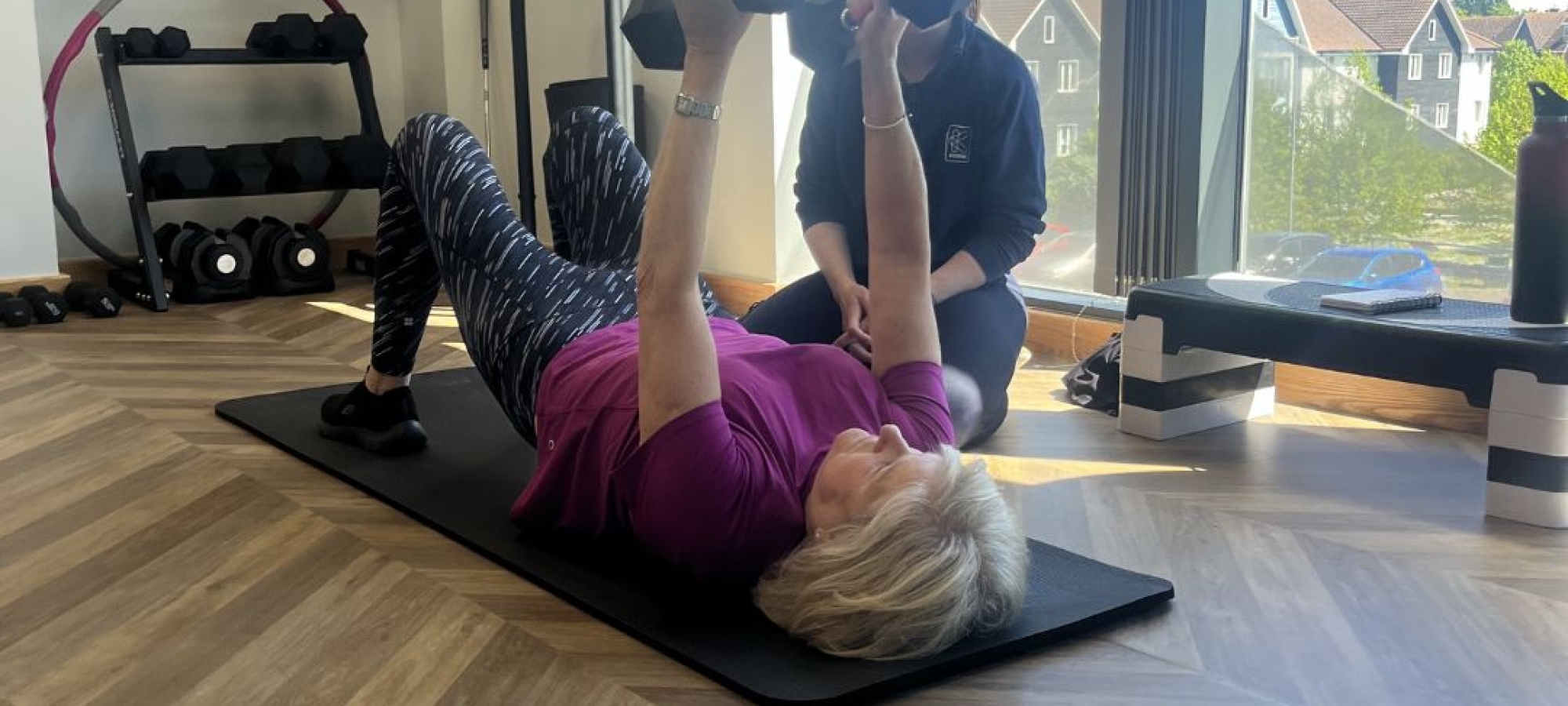
As physiotherapists, we're much more interested in helping people build capacity than teaching them to be careful. Life isn't predictable. There will always be busy weekends, long walks, holidays, family visits and days where you simply do more. The goal isn't to avoid those things. The goal is to build a body that's better prepared for them. That's where strength becomes so valuable.
Strength doesn't just help you exercise, it helps you tolerate life. It gives you a bigger buffer between what your body can do and what you're asking it to do. That buffer comes into play when capacity increases; flare-ups often become less frequent, less severe and easier to recover from.
.jpg)
Recovery Is Part of the Plan
Another mistake people make is treating recovery as something they've earned after activity.
In reality, recovery is what allows activity to continue. Sleep, hydration, rest days, mobility work and good nutrition aren't separate from staying active. They are part of staying active. Particularly as we get older, recovery becomes something worth paying attention to rather than something to squeeze in when we have time.
The Takeaway
If you've noticed more aches, stiffness or niggles recently, don't assume your body is letting you down. It may simply be responding to a busier season of life.
Summer should be a time for doing more of the things you enjoy, not worrying about every twinge and ache. The answer isn't to stop moving. It's to build your body's ability to cope with movement.
That's what helps people stay active, independent and confident. Not just this summer, but for years to come.